The World of Sorghum (Jowar): Part II
The Story of a Hand-Woven Saree, and the Mystery of its Arrow-like Thread Border
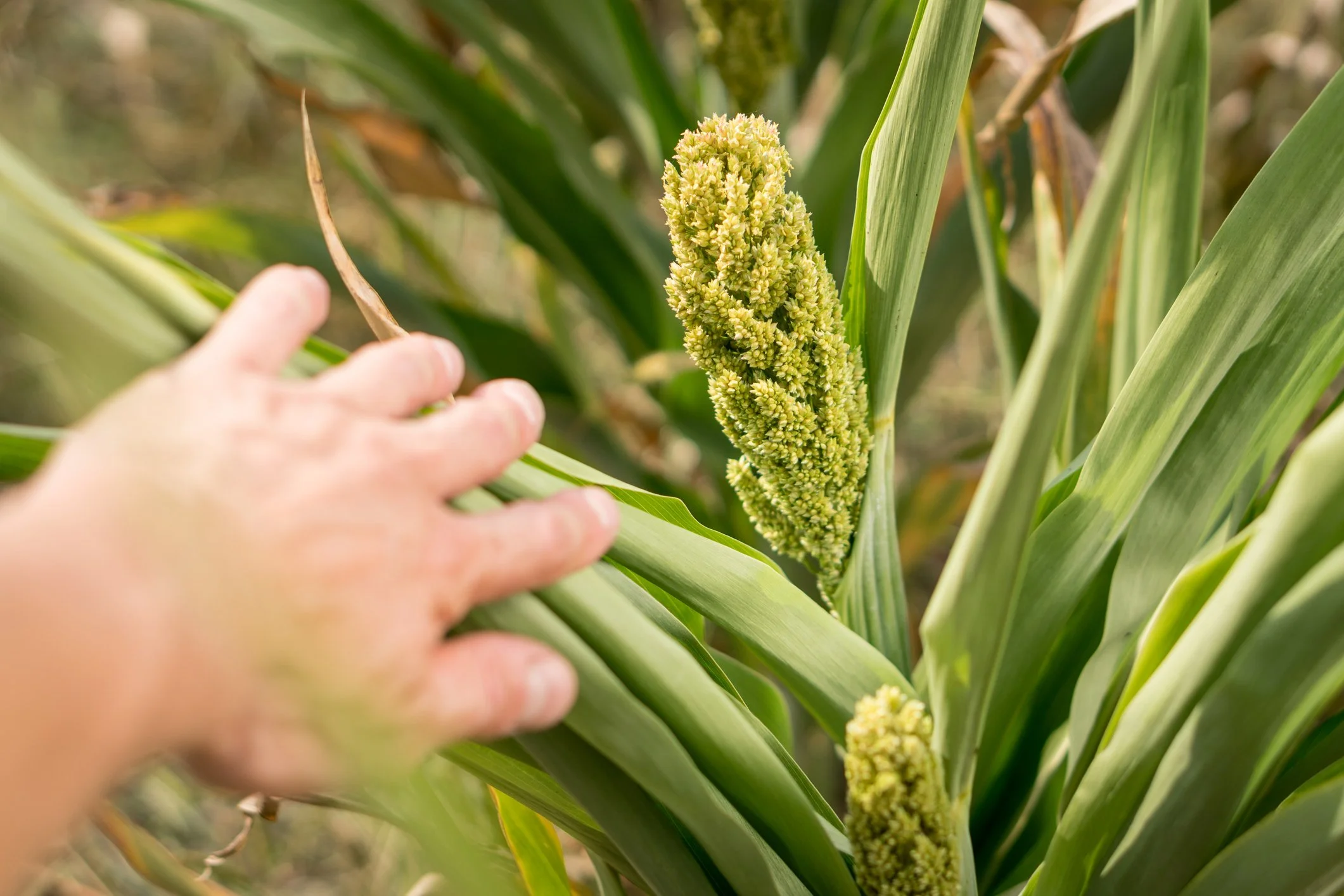
Fig 1: Sorghum growing in a field. (Photo credit: iStock/VladimirGerasimov)
Louis Armstrong saw beauty all around him and wrote, “What a Wonderful World.” If someone were to read “The World of Sorghum (Jowar)” series that I am churning out, they might be inspired to write, “What a Confusing World.” They cannot be faulted for it, though! Consider this: Part I (hyperlink) of this series talked about myriad uses of sorghum (jowar), while barely touching upon its primary use as a staple food grain for 500 million people around the globe. The title of part II, i.e. this blogpost, suggests that it is about sorghum, while the subtitle talks about a saree with a curious border design. What is the connection between a grain and a saree motif? Has the author seriously lost it?
From my side, I can genuinely assure you that she has not; there indeed exists a connection between the mysterious saree motif and sorghum. The connection exists because that is the beauty of handwoven textiles – they tell stories of their people and the culture that they come from. The hands that spend long hours creating those elegant fabrics on handloom end up weaving in motifs and patterns of the things that they revere and hold close to their hearts. That is how ambi (mango), mor (peacock), lotus, and temple motifs came to adorn the borders and pallus of beautiful Indian handloom sarees. Or how the 12th-century Gomi Teni weave with jowar (sorghum) motifs found its way to the handloom cotton sarees worn by women in medieval Deccan.
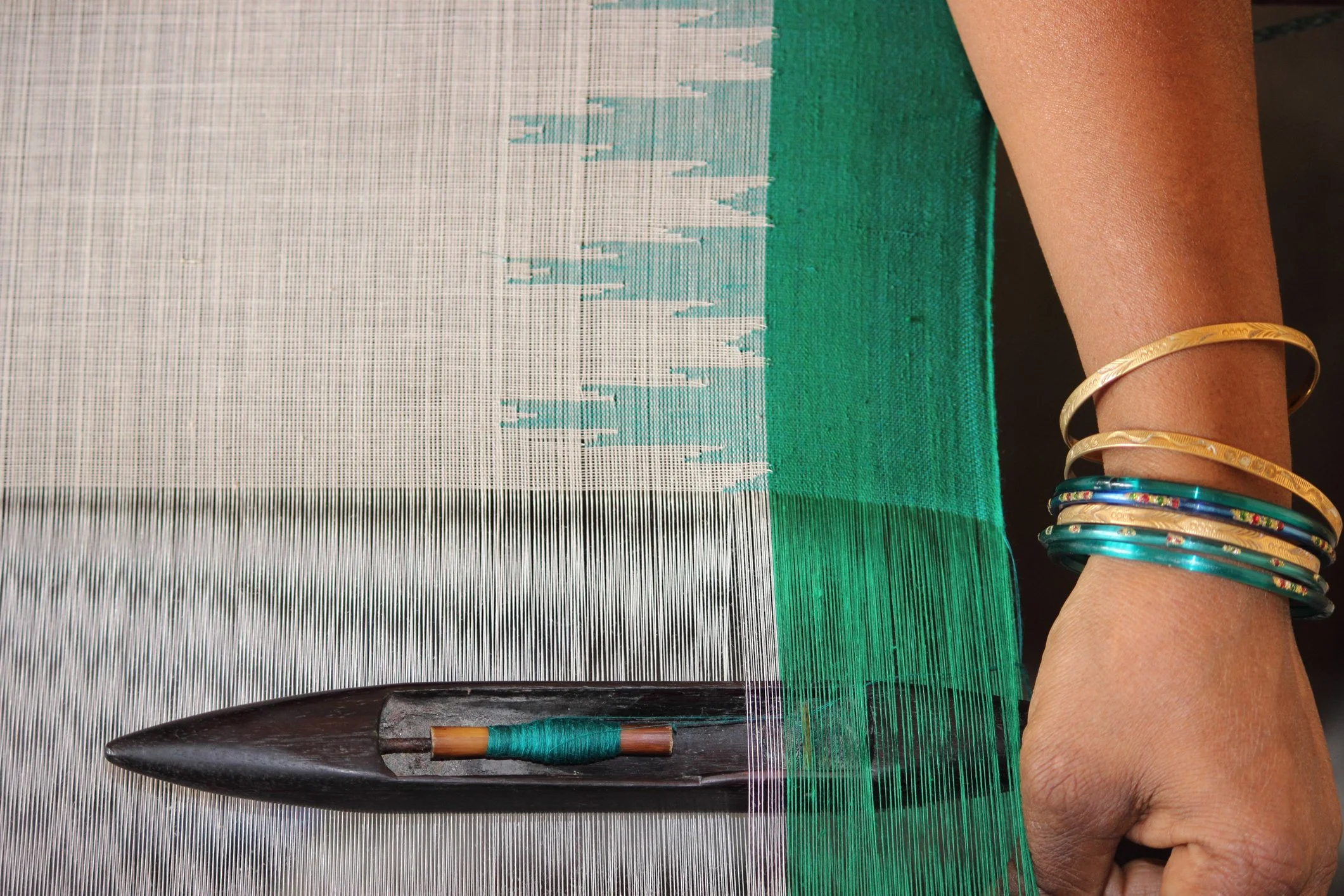
Fig 2: Artisan weaving a khadi cotton saree with temple motifs (Photo credit: iStock/Sujay_Govindaraj)
The jowar motif of this eight-centuries-old weave tells the story of its origin in the semi-arid lands of North Karnataka, India. Here, jowar is not merely a grain; it is sustenance itself. A bountiful harvest of jowar signals a year of joy and abundance. Due to the close association of this grain with happiness and prosperity, the sarees adorned with the Gomi Teni weave play a starring role for special occasions; for instance, they are gifted to new brides and expectant mothers as a token of blessing. Woven into these threads are prayers of joy and prosperity, for Gomi Teni means ‘cloth of blessing’ in the rural context!
The story of how the Gomi Teni weave was revived is a riveting one in itself. In the words of textile revivalist Dr Hemalatha Jain, she was shown a faded piece of cloth by a lady from a handloom weaving cluster in North Karnataka. The elderly lady had received the sari as a gift from her in-laws 60 years ago. The saree had distinctive border patterns resembling tiny grains of jowar – the Gomi Teni weave. The fabric was cotton and colored with natural dyes extracted from local plants and minerals, making it hyper-local in every sense of the word. The Gomi Teni sarees had not been worn in the last 40 years. When attempts to gain insights about this weave from literature failed, Dr Jain turned to the old weavers of Deccan to gather pointers from their memory and oral history. Based on the knowledge gleamed from this exercise, and the faded piece of cloth, the Gomi Teni pattern was reconstructed. Dr Jain outlined the painstaking process – the artisans modified their looms, relearned old methods and rediscovered the rhythm of these ancient motifs. Finally, the looms started again, marking the revival of Gomi Teni sarees!
While reading this story in the Deccan Herald, I stumbled upon the photo of a saree with the Gomi Teni border. The sight of the arrow-like jowar motifs reminded me of something, and I reached for my treasured red-green saree in the wardrobe. I had bought the saree from a collection centered on revived handloom weaves of Karnataka. The body of the saree featured the Patteda Anchu pattern, an ancient handloom weave which was popular in villages of North Karnataka in 10th century. As a fan of handloom textiles, I was eager to lay my hands on a saree resplendent with history. I loved everything about the saree – the color, the distinctive pattern, the feel of the fabric. And, of course, the subtle woven border. In fact, it was the border which had set it apart from other weaves. As someone who prefers simple border and pallu patterns, the elegant motifs were perfect for me. However, I had never realized what the distinctive border symbolized, until now. In my hand was my beautiful Patteda Anchu saree with a Gomi Teni border – my “cloth of blessing”!
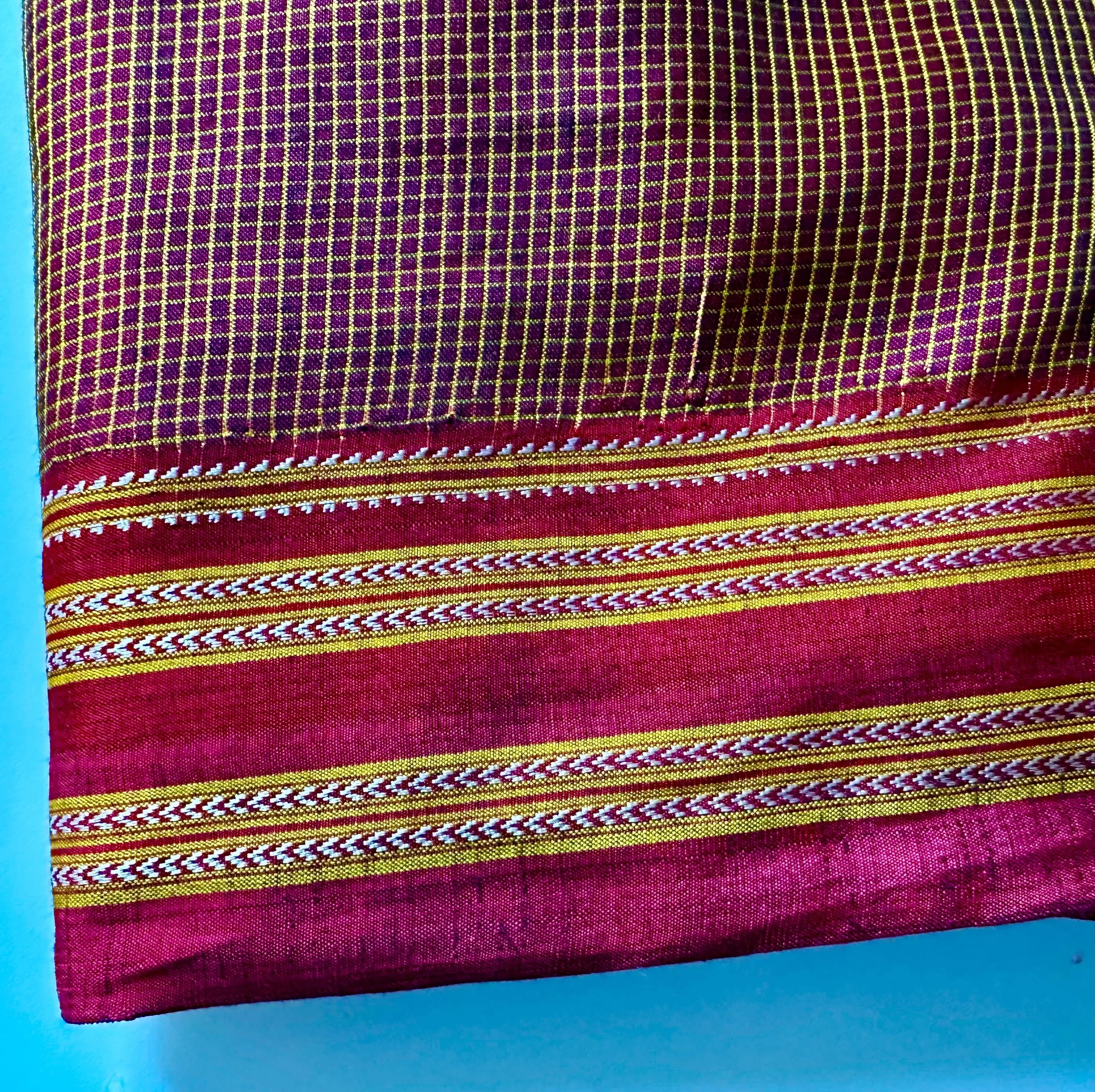
Fig 3: My Patteda Anchu saree with Gomi Teni border having jowar motifs
A wonderful realization struck me the day I stumbled upon the link between ancient fields and my much-loved saree. In scientific research, we are always trained to gauge the significance of something by hardcore number crunching and statistical analysis. While preparing a post about the significance of jowar as a food crop, I was tempted to go into data overdrive and cite the production and consumption numbers in metric tons. Yet, if you really want to gauge the value of a crop to a particular culture and its people, try going beyond these numbers. Look at the songs they sing, the stories they tell, the art they create and the clothes they weave. It is here that they reveal the things they treasure and revere. If you observe closely, you will learn about the flowers growing in their gardens, the crops thriving in their fields and the birds sharing their home. The way I learned about the jowar fields while had flourished in the lands of the artisans who dreamt up the Gomi Teni weave!