Beyond the Buzz—What Exactly are Millets?
Simply put, millets are a varied group of small-seeded grasses with a rich history of cultivation in Asia & Africa (and Europe, though to a lesser extent). They were among the first crops to be cultivated (nearly 10,000 years ago!), and played a central role in our ancestors’ transition from nomadic hunter-gatherers to living in agricultural societies [1-2]. Although the word ‘millet’ today symbolizes birdseed in many parts of the world, millets have been a staple crop for a large proportion of the world’s population since the dawn of agriculture.
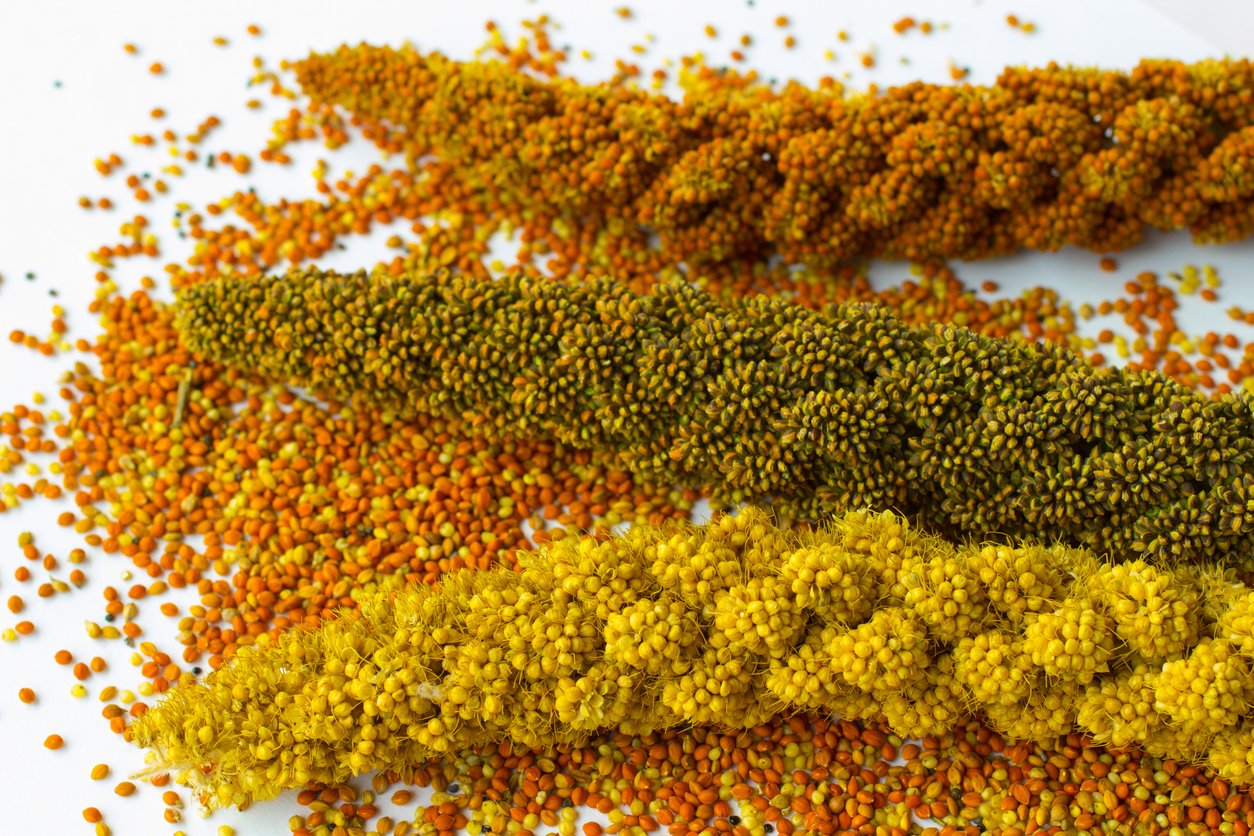
Fig 1: Sprigs of different varieties of millet (Photo credit: iStock/Olenaa)
Please note that I have used the word ‘millets’ instead of ‘millet’. With the supermarket shelves stocked with packs labelled simply as ‘millet’, it is easy to assume that the word ‘millet’ refers to only one type of grain. In fact, there are hundreds of millet types, although only around 20 are commercially grown [3]. As per the Smart food initiative, millets are divided into two broad categories: major (naked) millets and minor (husked) millets [4]. Before we further delve into these categories of millets, let us have a look at the structure of a typical grain.
Structure of a millet grain (Fig 2)
A whole grain is basically the entire seed of the plant. It is composed of 4 parts [5]:
1. Hull (husk): this is the protective outer covering of the grain and is inedible.
2. Bran: it is the outer skin of the edible part of the grain and abounds in vitamins, minerals, fiber, antioxidants and phytochemicals.
3. Germ: it is the core of the seed and is rich in healthy fats, proteins, vitamins B & E, phytochemicals and antioxidants.
4. Endosperm: it is the interior layer and is primarily composed of carbohydrates, although it also has proteins and small amounts of vitamins and minerals.

Fig 2: Structure of a millet grain. (Photo © www.milletmojo.com)
Types of Millets
Major millets are naked grains, i.e., they do not have a husk. Owing to the absence of husk, these grains do not require post-harvest processing to remove them, which confers them an added advantage. This category includes the 3 millets mentioned below:
1. Sorghum (Sorghum bicolor)
2. Pearl millet (Pennisetum glaucum)
3. Finger millet (Eleusine coracana)
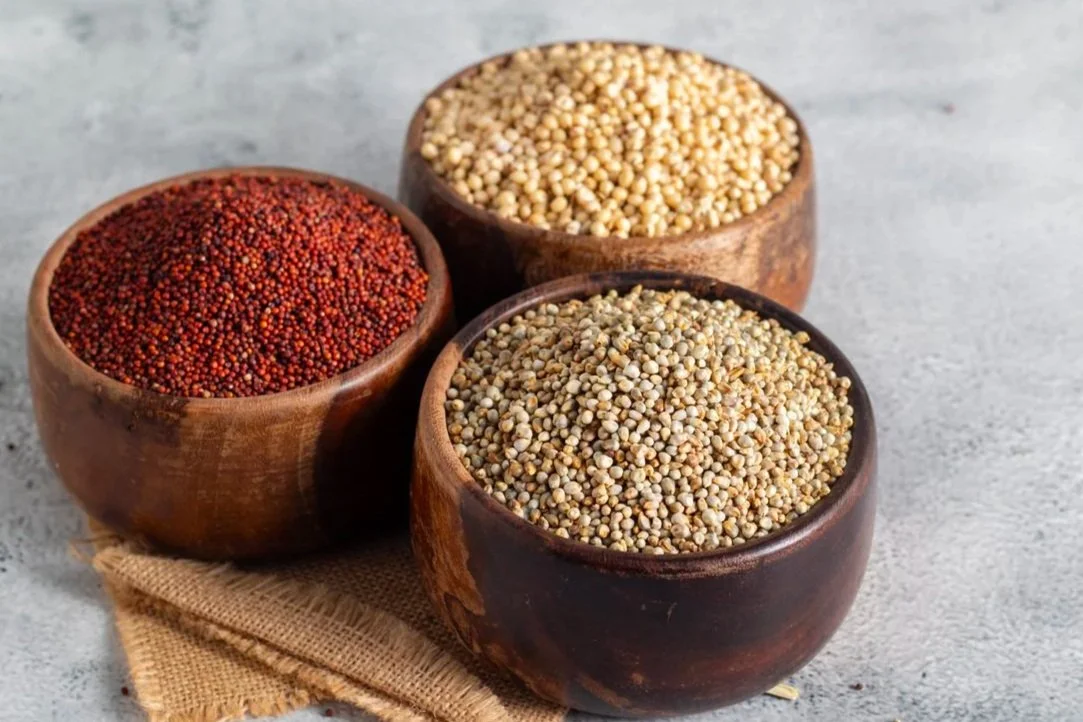
Fig 3: The major millets include sorghum (jowar), pearl millet (bajra), and finger millet (ragi). (Photo credit: iStock/Im a photographer and an artist)
The names of major millets in various Indian languages are given in the table below:
Minor millets are smaller in size and have a covering of husk around their grains. Traditionally, the husk was removed by manual pounding, which was time-consuming and labor-intensive. However, recent innovations in post-harvest technology have enabled the easy and efficient removal of the husk of these grains [6]. The millets included in this category are mentioned below:
1. Foxtail millet (Setaria italica)
2. Proso millet (Panicum miliaceum)
3. Little millet (Panicum miliare)
4. Kodo millet (Paspalum scrobiculatum)
5. Barnyard millet (Echinochloa frumantacea)
6. Browntop millet (Urochloa ramose L. Nguyen)
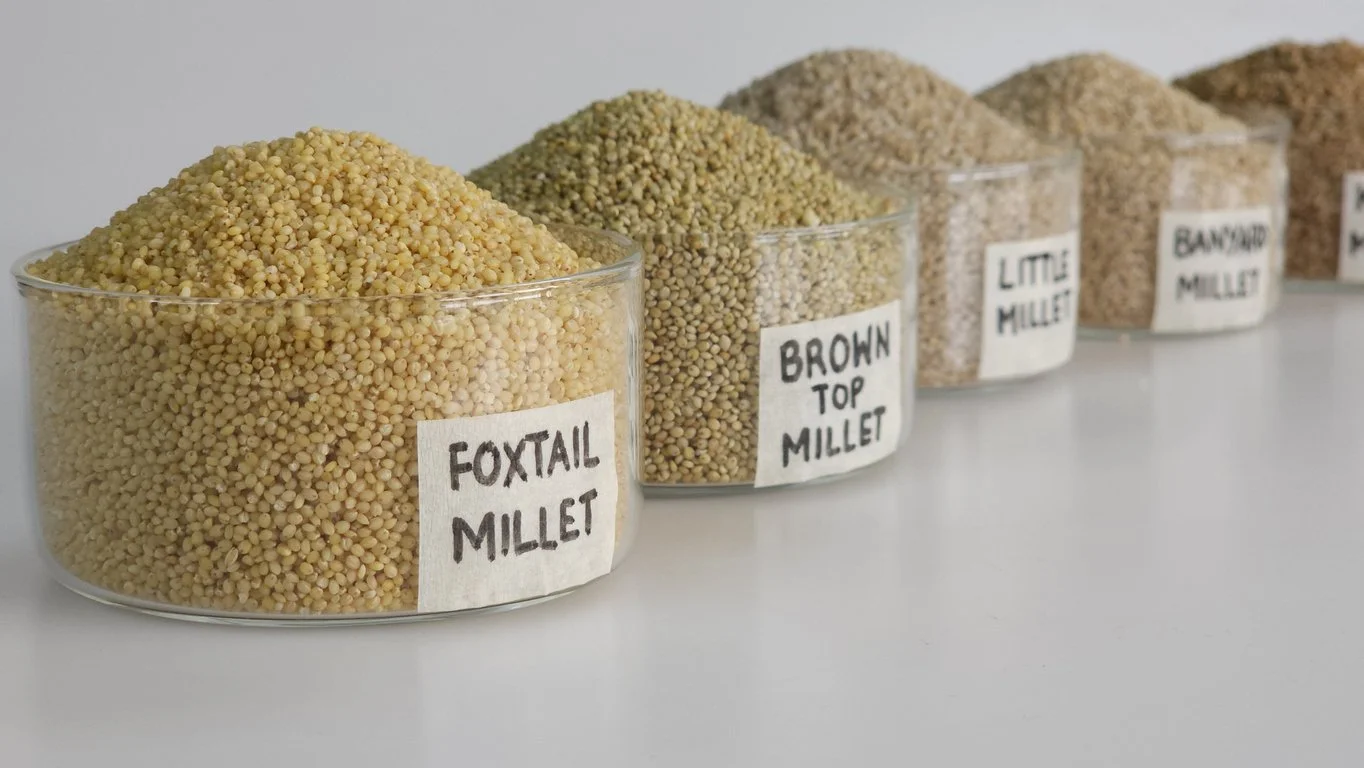
Fig 4: The minor millets, also known as the Siridhanya millets. (Photo credit: iStock/Jogy Abraham)
Apart from the above-mentioned millets, there are a few additional types that are grown in various parts of the world.
1. Teff (Eragrostis tef)
2. Fonio (Digitaria exilis/Digitaria iburua)
3. Job’s tears or Adlay millet (Coix lacryma-jobi)
4. Taiwan oil millet (Eccoilopus formosanus)

Table 2: Names of minor millets in regional Indian languages
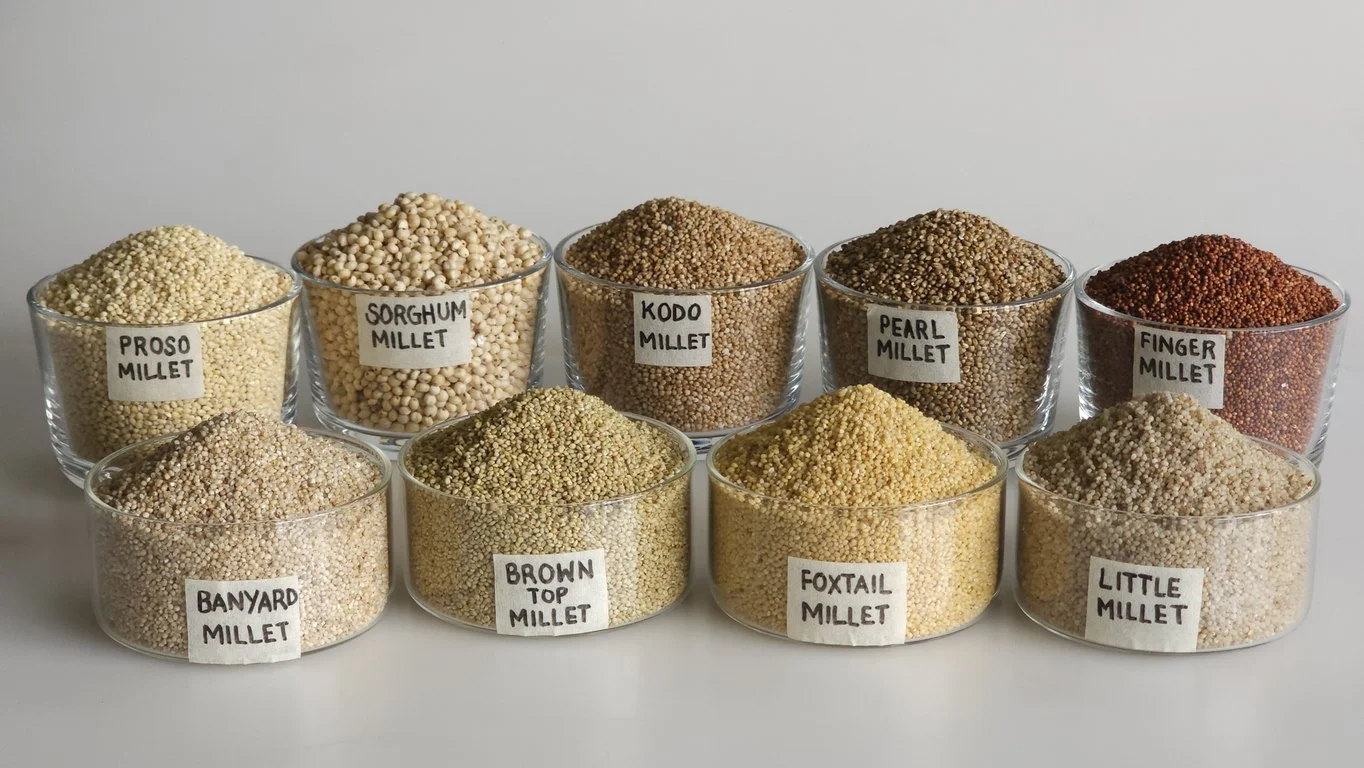
Fig 5: The nine types of millets, also known as ‘Nutri-cereals’. (Photo credit: iStock/Jogy Abraham)
In the coming blogposts, we will have a detailed look at the different types of millets, their history and their relevance in the modern times. Stay tuned!

Fig 6: The nine types of millets: Sorghum, pearl, finger, foxtail, kodo, barnyard, proso, little, and browntop millet (Photo © www.milletmojo.com)