Polished, Unpolished or Semi-Polished Millet: What do You Have on Your Plate?
For a long time, I didn’t know the answer to the above question. In fact, I don’t remember asking myself this question during the initial days of my millet journey. At the time, I was a first-time mum struggling to identify nine different types of millets and zero in on the best ones for my 6-month-old baby. Every single day was a mix of exciting experiments, new discoveries and hard-learned lessons. I found out that my son loved his sprouted ragi (finger millet) malt porridge and could have it every single day, while gulping down oodles of calcium along the way (yay!). I discovered that my baby and I had a shared love for jowar (sorghum) banana sheera, so I would make it in quantities enough for my baby and me! I learnt a few lessons the hard way too: you cannot cook whole jowar grains in a manner similar to cooking white rice and minor millets, and you cannot make ragi rotis the way you would make wheat rotis.
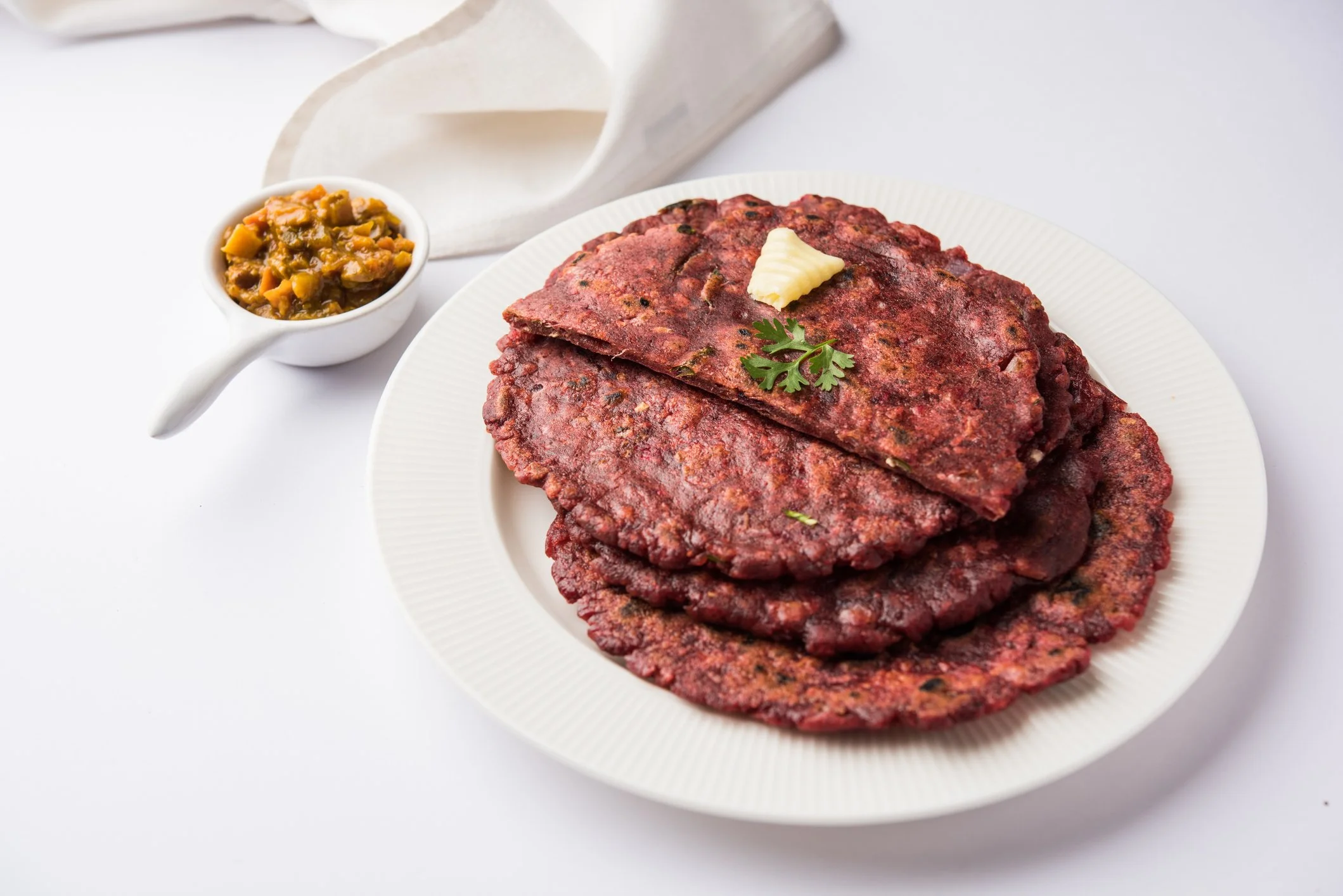
Fig 1: Ragi (Finger millet) roti (Photo credit: iStock/Arundhati Sathe)
Nevertheless, the excitement of experimenting with an entirely new set of grains kept me going, the frequent ups and downs notwithstanding. Every day, I discovered something new about the taste profiles and cooking characteristics of each of the nine millets. Given the hectic days of caregiving and experimentation, I never stopped to look at my plate and ask, “Are these millets polished or unpolished?”
This, however, changed in the second year of my millet journey. Sometime around my son’s second birthday, I brought home a pack of shiny, white ‘little millet’. The look and feel of the grains seemed different; I had previously used little millet, and I remembered the grains being dull grey and non-glossy. The shiny white grains of the latest pack oddly reminded me of white rice. Anyways, I used the millets to make idli, which turned out to be white, light and fluffy. In fact, my husband did not even realize that the idli was made of millet, until I told him after he had gobbled up his food.
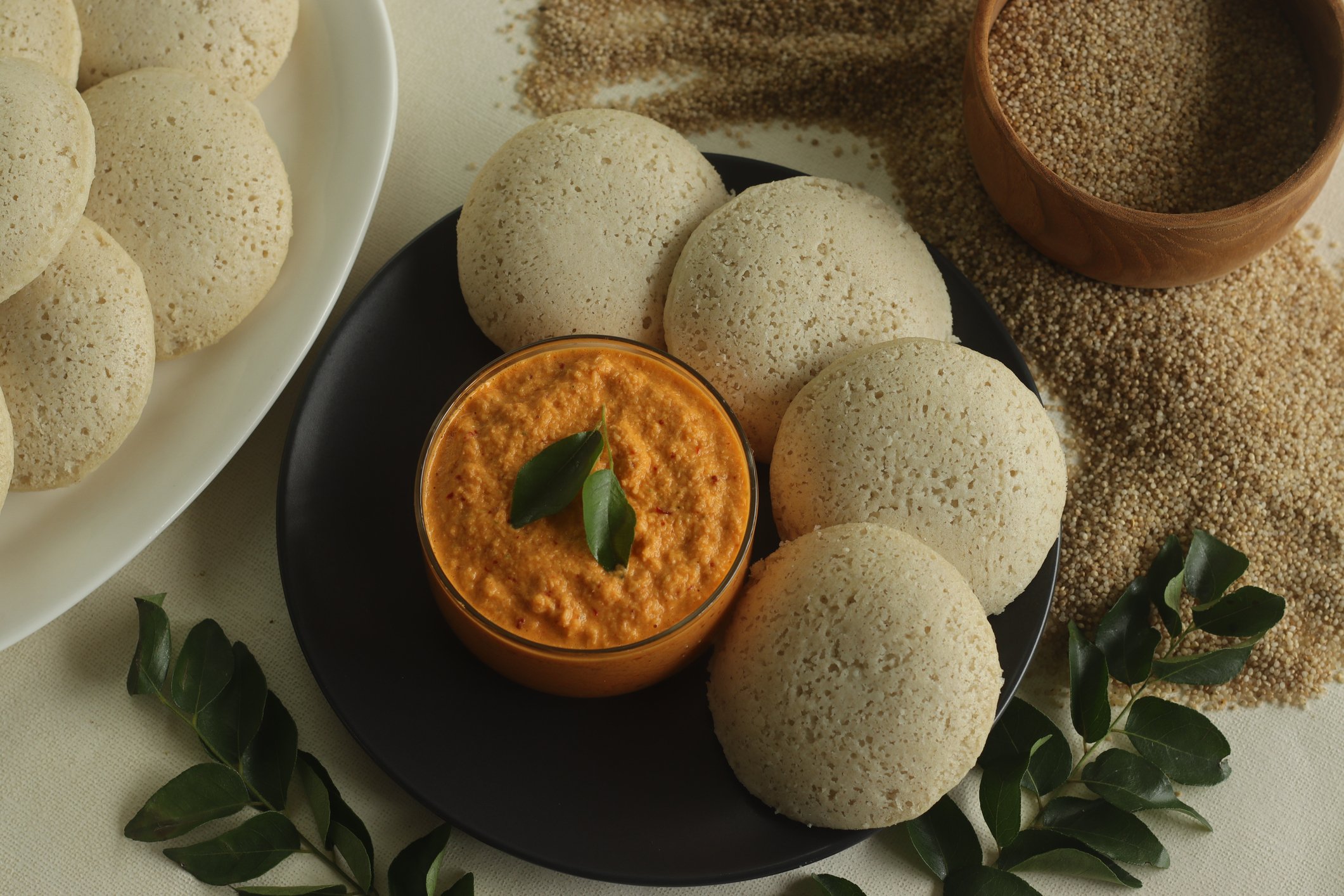
Fig 2: Little millet idli
In my previous attempts at making idli with little millet, the idlis had turned out to be fluffy and tasty, but they weren’t an exact copy of the ones made of rice. You could tell the minute differences between them. The millet idlis would be dull grey or off-white in color, not bright white. The apparent difference in between two packs of the same millet made me dig deeper to figure out the reason behind it.

Fig 3: Unraveling the mystery about millets! (Photo credit: iStock/ThomasTroy)
And figure out I did! The grains in the new pack of little millet were glistening white because they were polished. Those in the previous pack were light grey and non-glossy because they were unpolished and had an intact bran covering on their surface. Basically, to convert the unpolished grains into polished ones, the outer, nutrient-laden bran layer had been removed, leaving just the starchy, pearly-white endosperm intact. For instance, take a look at the picture below. The colored rice grains to the left are unpolished, with an intact bran layer. The pearly white rice grains to the right are polished and are primarily made up of the starchy endosperm layer.
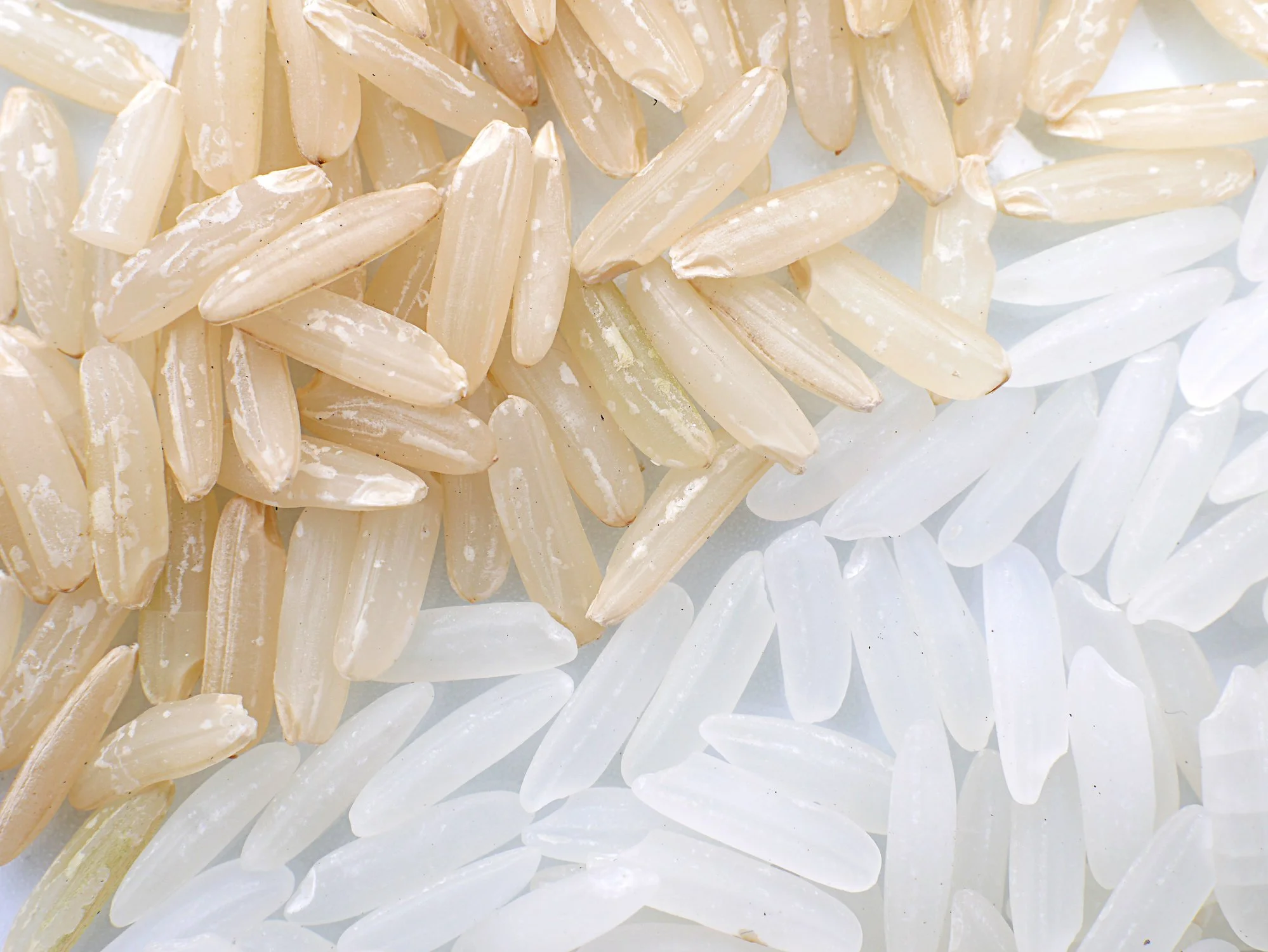
Fig 4: Unpolished vs polished raw rice (Photo credit: iStock/patanasak)
Should you even bother about the unpolished vs polished millets debate?
Well, here’s the thing. Ever since the United Nations declared 2023 as the International Year of Millets (IYM 2023), these grains seem to have popped up on every shelf in the supermarket. Every other pack claims to contain the goodness of millets. There are instant millet porridge packs, millet pancakes and millet cake mixes. There are snacks made of bajra (pearl millet) mamra and jowar popcorn. Even McDonald’s burgers now have millets in them!
With the increasing popularity of millets, though, another concern has come to fore – the use of polished millets, which capitalizes on the popularity of millets without offering much of the benefits of the whole grains. Of course, there is nothing wrong in consuming polished millets per se. Just like white rice, they are a good source of carbohydrates. However, if you are into millets for their nutritional value and health benefits, then you need to go for unpolished millets.
In the next blogpost, we will look at the process of polishing in detail, and the difference in the levels of polishing between major and minor millets. Stay tuned!